About Neonatal Biotinidase
overview
The fluorescent reaction product formed as a result of the biotinidase activity is measured. This is based on direct enzyme assay in which the dietary protein or biotin intake does not influence.
Technical Specifications
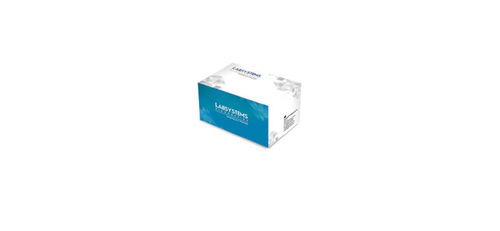
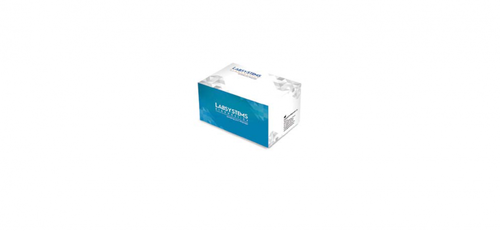
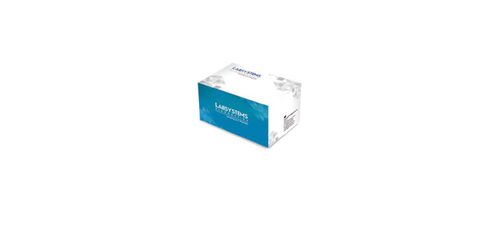
- Neonatal Biotinidase, 5 solid plates (96), 480 wells 6199 820
- Neonatal Biotinidase, 10 solid plates (96), 960 wells 6199 821
Benefits
- Easy to perform
- No centrifuging or filtration step needed
- Fluorescence detection provides high sensitivity
- Assay is compatible with Labsystems Diagnostics NS2400 automation system
Advanced Technology for Enhanced ScreeningOur Neonatal Biotinidase device incorporates the latest advancements in medical diagnostics, making it a reliable tool for early detection of newborn metabolic disorders. Designed for both hospitals and clinics, it features intuitive controls and an efficient process, ensuring timely and accurate results for newborn screening programs.
Designed for Portability and Clinical UseThis device is engineered for versatility and ease of use, providing lightweight, portable operation without compromising precision. The multicolor options support clear identification and workflow organization, making it suitable for busy hospital environments and outreach clinics. Its modern build ensures longevity and effortless maintenance.
FAQs of Neonatal Biotinidase:
Q: How does the Neonatal Biotinidase device function in a hospital or clinic setting?
A: The device functions by screening newborns for biotinidase deficiency through a straightforward and fast testing process. Samples are processed with high accuracy, enabling clinical teams to quickly identify metabolic disorders and initiate timely treatment.
Q: What are the primary benefits of using this modern Neonatal Biotinidase device?
A: The main benefits include early detection of biotinidase deficiency, improved patient outcomes through prompt intervention, portability for flexible use across different clinical settings, and reliable results due to advanced technology.
Q: When should hospitals or clinics use the Neonatal Biotinidase device?
A: It should be used as part of routine newborn screening programs, immediately after birth, to ensure that potential metabolic issues are identified and addressed at the earliest possible stage.
Q: Where can this device be implemented within healthcare facilities?
A: The Neonatal Biotinidase device is suitable for neonatal units, pediatric departments, mobile screening units, and clinics, providing comprehensive screening coverage wherever newborns are assessed.
Q: What is the process for using the Neonatal Biotinidase device?
A: The process involves collecting a small blood sample from the newborn, placing it in the device, and following the automated instructions. The device quickly analyzes the sample and provides clear, actionable results for the healthcare team.
Q: How does the device prove beneficial for hospital workflows?
A: Its portability and multicolor system streamline organization, while the rapid processing reduces waiting time, supporting efficient decision-making and smoother patient management in busy hospital environments.

 Send Inquiry



 Get Latest Price

 Send Inquiry


